Everything We Offer
Services
A complete look at every service available at Train Your Brain Wellness, organized by our three pillars of care.
Comprehensive Psychiatric Care
Comprehensive Psychiatric Evaluations
Mental health is complex, and no two individuals have the same story. Our comprehensive psychiatric evaluation takes a whole- person approach, exploring emotional, psychological, medical, lifestyle, and environmental factors that may be contributing to your symptoms. The goal is not simply to assign a diagnosis, but to gain a deeper understanding of your experiences and create a personalized treatment plan that supports healing, resilience, and long-term wellness.
Medication Management
Medication management is more than simply prescribing medication. It involves ongoing evaluation, monitoring, and collaboration to ensure your treatment remains safe, effective, and aligned with your goals. Together, we will assess benefits, side effects, symptom improvement, and overall wellness to develop a personalized treatment plan that supports long-term mental health, while considering lifestyle, sleep, stress, nutrition, and other factors that influence overall well-being.
Deprescribing & Medication Optimization
Deprescribing is a thoughtful, patient-centered approach to evaluating whether medications are still necessary, effective, and aligned with your current goals. This process may involve reducing, discontinuing, or transitioning medications while carefully monitoring safety, symptom management, and overall wellness. The goal is not simply fewer medications, but the right medications at the right time.

About the GeneSight Test
The GeneSight Psychotropic test is a genetic test that shows your healthcare provider how your genes may affect your outcomes with commonly prescribed mental health medications. The test provides personalized information about which medications may require dose adjustments, be less likely to work, or have an increased risk of side effects based on your genetic makeup.
Is the GeneSight Test Right for You?
- • Has a mental health medication failed you in the past?
- • Is your current mental health medication not working?
- • Does your mental health medication cause unwanted side effects?
Care Coordination
Healing often requires a team approach. With your permission, we work collaboratively with therapists, primary care providers, specialists, schools, treatment programs, and other members of your healthcare team to ensure treatment remains connected, comprehensive, and focused on your goals. My goal is to reduce barriers to care, improve communication between providers, and help you navigate your mental health journey with confidence and support.
Psychotherapy
Mental health challenges are often influenced by life experiences, relationships, stress, trauma, and the demands of everyday life. Through a collaborative and trauma-informed approach, psychotherapy can help individuals process difficult experiences, strengthen coping skills, improve emotional regulation, and support long-term recovery and resilience. When appropriate, I also provide guidance and referrals to group therapy, support programs, and specialized therapists to ensure comprehensive and well-rounded care.
Crisis Intervention & Stabilization
Mental health crises can feel overwhelming and isolating. With extensive experience in emergency psychiatry, crisis stabilization, suicide risk assessment, and acute mental health care, I provide comprehensive evaluations, safety planning, and coordination of appropriate levels of care when needed.
The Shift End Access Pass
How are you at homewhen your shift ends?
You may be able to complete the call, finish the shift, care for the patient, and continue doing what everyone expects of you.
But what happens when you go home?
Are you able to be emotionally present with the people you love? Are you sleeping? Are you increasingly irritable, detached, anxious, exhausted, or unable to shut your mind off? Do you feel as though your family receives whatever is left of you after the job has taken everything else?
The effects of frontline work do not always end when the shift does.
Care From Someone Who Understands the Work Behind the Symptoms
Many first responders and healthcare professionals have shared that one of the greatest barriers to seeking mental health care is feeling misunderstood.
They may have previously been connected with a general employee assistance program, brief counseling service, or provider who was well-intentioned but unfamiliar with the culture of emergency services and healthcare. When a professional has to spend most of the appointment explaining the job, defending their reactions, or trying to make someone understand why a particular call or patient continues to affect them, it can become difficult to build trust.
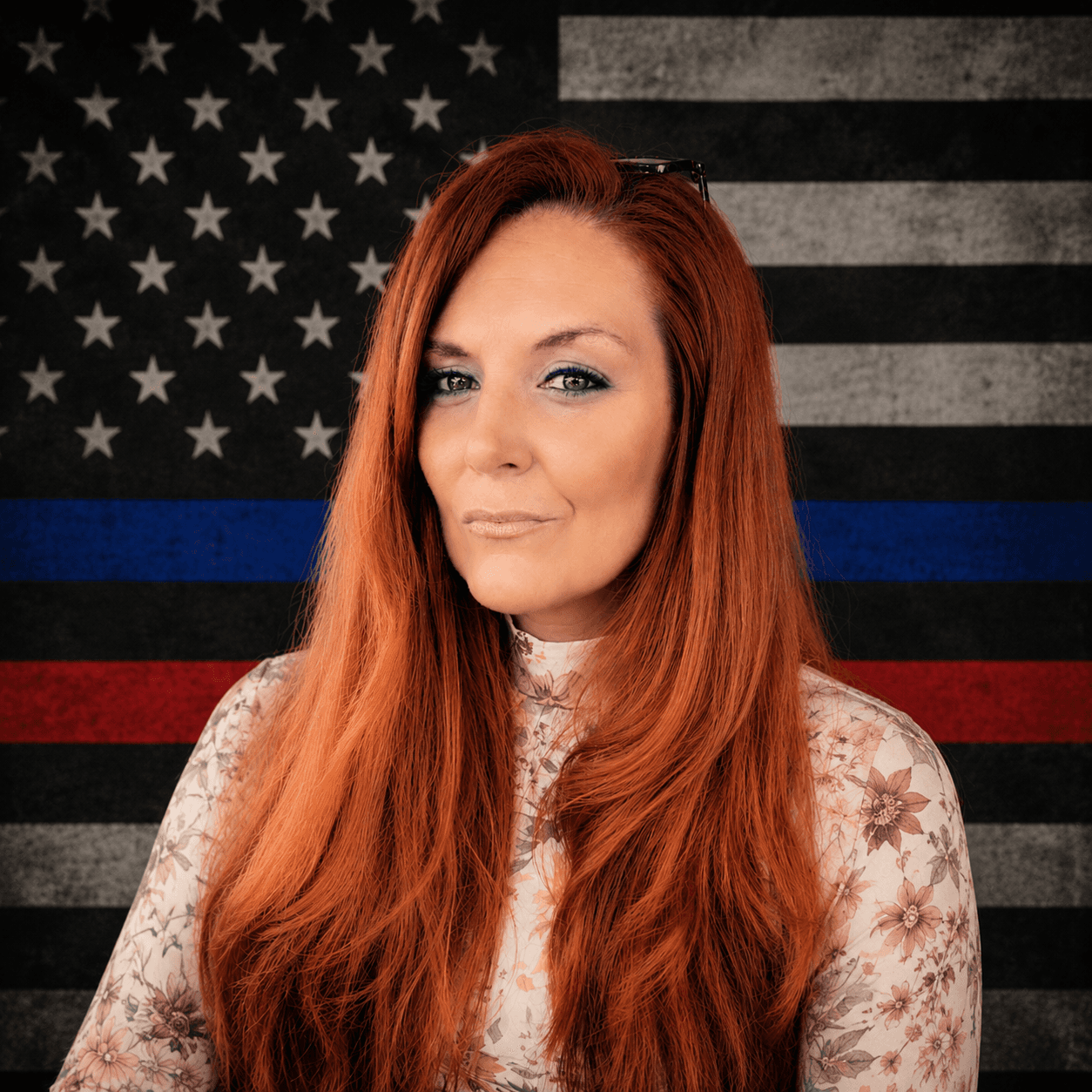
This program is designed to offer something more individualized and clinically comprehensive.
My background includes years of experience in emergency and trauma nursing, psychiatric emergency care, crisis intervention, acute mental health treatment, and direct work with first responders, Veterans, healthcare professionals, and individuals experiencing some of the most difficult moments of their lives.
You should not have to translate your profession before you can begin talking about what it is doing to you.
I understand that frontline professionals may:
More Than a Brief Workplace Benefit
Employee assistance programs can serve an important role by offering an initial point of contact and connecting employees with available resources. However, some first responders and healthcare professionals need more than a limited number of general counseling sessions or a one-time referral.
The Shift End Access Pass provides access to ongoing, confidential clinical care that may include:
This program is not intended to replace every EAP, peer-support team, or workplace wellness service. It is designed to provide the specialized clinical care, continuity, and understanding that may be needed when brief support is not enough.
You Do Not Have to Wait Until You Are in Crisis
Mental health care is not only for the person who can no longer work.
It is also for the firefighter who is becoming increasingly distant at home.
The paramedic who cannot stop replaying a call.
The dispatcher who continues hearing the voices from the other end of the line.
The police officer who is constantly on alert, even while sitting safely at home.
The nurse who has lost compassion and feels guilty about it.
The healthcare professional who dreads returning to work but does not know who they would be if they left.
The spouse or partner who sees the changes but does not know how to help.
You have spent your career taking care of others. You deserve care from someone who understands that the goal is not simply to help you survive another shift.
The goal is to help you return home as yourself.
Advanced Treatment & Recovery Options
Transcranial Magnetic Stimulation (TMS)
TMS is a non-invasive, FDA-cleared brain stimulation treatment that uses magnetic pulses to help regulate areas of the brain involved in mood, emotional processing, focus, and stress response. It is performed while you’re awake, does not require sedation, and allows you to return to normal activities immediately afterward.
Wellness Modalities
Through trusted partnerships, patients have access to advanced treatment equipment and complementary recovery modalities that pair well with an integrative treatment plan.
TMS is offered in partnership with JLC Services, including options supported through state funding for eligible first responders.
Learn more about JLC Services
Complementary recovery and nervous-system modalities — including red light therapy, cryotherapy, and Shiftwave pulsed-pressure therapy — that pair well with an integrative treatment plan.
Learn more about D2 Human Performance CentersSpravato® (Esketamine)
For qualifying individuals experiencing treatment-resistant depression and other approved indications. Spravato is administered in-office under provider supervision as part of a comprehensive treatment plan.
Integrative Psychiatry & Functional Mental Health
Mental wellness is more than medication alone. Our integrative approach incorporates lifestyle optimization, nutrition, sleep support, stress management, and supplement education alongside evidence-based psychiatric care — supporting the whole person, not just the diagnosis.
What We Specialize In
Additional Clinical Services
Available after evaluation and established care:
Please Note: Documentation requests require discussion with the provider during a scheduled appointment and are subject to clinical appropriateness and provider discretion. Additional fees may apply. Please refer to our Fees & Policies page for details.